
How Do I Know If I Can Trust a Marketing Agency With My Cash-Pay Clinic’s Growth? (What One Founder Said After His Lead System Got Fixed)
“My leads were going all over the place. I didn’t have any clear system processes. My booking was confusing and I was losing leads.” That’s Nick Wingo, founder and CEO of Awaken IV, describing his clinic before we started working together. If that sentence sounds like your practice, this FAQ is for you — because the question isn’t really “which agency has the best ads.” It’s “who can I actually trust to fix this.” Here’s how to tell.
How do I know if I can trust a marketing agency with my cash-pay clinic’s growth?
Judge them by what they fix in the first 90 days — not by what they promise on the sales call.
Any agency can show you a deck with big numbers. A trustworthy one starts by getting inside your actual lead flow.
They look at where inquiries land, who calls them back, how fast they respond, and where leads fall through.
When Nick Wingo came to us, his GoHighLevel account was, in his words, “a mess.”
Leads were scattered. There was no written process for handling them. The booking flow confused the very patients trying to give him money.
Nothing about that gets solved with a bigger ad budget. It gets solved by someone willing to do the unglamorous systems work first.
That’s the trust test. Does the agency want to talk about your pipeline before they talk about your ad spend?
The agencies that only want to talk about spend are renting you leads. The ones that fix the system are building you an asset.
If you’re evaluating outside help right now, our guide to working with medical practice marketing consultants breaks down what that evaluation should look like.
What are the warning signs my clinic’s lead system is broken?
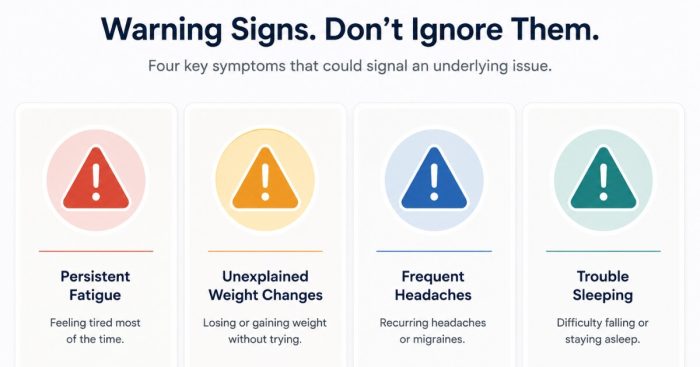
Four signs — and if you have two of them, you’re losing patients every week whether you see it or not.
Leads live in more than one place.
Some are in your EHR. Others are in a spreadsheet or the front desk’s text messages.
Nick’s exact words were, “My leads were going all over the place.”
If you can’t pull up one screen showing every open lead, you have this problem.
There’s no written process.
Ask your front desk what happens when a web lead comes in at 4:55 PM on a Friday.
If the answer is a shrug, every lead’s fate depends on who happens to be standing there.
Booking is confusing for the patient.
If a motivated patient has to hunt for how to schedule, some percentage quietly gives up.
Nick put it plainly: “My booking was confusing and I was losing some leads.”
Nobody can tell you the follow-up count.
If nobody knows how many times a lead gets contacted before being given up on, the real answer is usually once.
Should a marketing agency fix my systems before running my ads?
Yes — systems first, always. Ads poured into a broken lead system just make the leak bigger.
This is where most clinic-agency relationships go wrong.
The clinic wants growth. The agency wants to launch campaigns. Everyone skips the boring middle: pipelines, booking flow, follow-up sequences, and call accountability.
Six months later, the clinic has spent $30,000 on ads. The agency shows a report full of “leads generated,” but revenue hasn’t moved.
Why? Those leads went into the same scattered mess that was already losing the organic ones.
The clinics that grow do it in the opposite order.
One regenerative practice we work with converts 79.4% of its leads into booked appointments.
It’s an orthobiologics clinic that generated $309,590 in cash-pay revenue in 10 months without any paid ads at all precisely because the handling system was built before the volume arrived.
Fix the bucket, then turn on the faucet.
That’s the core of a predictable patient acquisition system.
Every lead lands in one pipeline. Every lead gets a defined number of touches. Every patient books through a flow that a stressed-out patient can complete in under a minute.
What does working with a trustworthy agency actually feel like month to month?
Like having a partner who’s accountable to your numbers — not a vendor who sends reports.
Here’s what that looked like for Awaken IV.
First came the diagnosis. We mapped where leads entered, where they stalled, and where booking broke.
Then came the fix. We built one pipeline in GoHighLevel, created clear stage-by-stage processes his team could follow, and simplified the booking flow so patients could complete it without confusion.
Nick’s summary afterward was simple: “These guys have been able to really get me squared away and get me back on track.”
Notice what he didn’t say.
He didn’t say, “They wrote great ad copy.”
The trust came from the system getting fixed and from knowing somebody genuinely cared whether his clinic performed better.
As Nick put it, “They actually care and they’re actually here to help you get real results.”
Month to month, that looks like a standing call where you review the same handful of numbers: leads, contact rate, booked appointments, showed appointments, and closed patients.
It also means having a shared view of the pipeline that you can open at any time.
Most importantly, it means working with an agency that flags its own underperformance before you do.
If you’ve never experienced that, it’s hard to believe it exists.
It does. It’s the difference between an HRT clinic that grew from $1M to $4M over four years with the same partner and a clinic that changes agencies every nine months.
How fast should I see results after my lead system gets fixed?
Weeks, not quarters — because fixing lead handling recovers revenue you were already generating and then losing.
This surprises many owners.
They expect results to arrive only after new ads launch.
However, if your clinic already receives inquiries — and almost every established cash-pay clinic does — then scattered leads and confusing booking mean you’re already leaving money on the table.
When you launch one pipeline, one follow-up sequence, and one clean booking flow, the recovered leads show up almost immediately.
Awaken IV saw leads start coming in faster than expected once the system was squared away.
The clinic stayed the same. The services stayed the same. The market stayed the same.
The difference was that inquiries stopped dying in the gaps.
Set your expectations in two phases.
Phase one (the first 30–60 days) focuses on recovery. More of the demand you already have turns into booked visits.
Phase two (60 days onward) focuses on growth. New campaigns begin feeding a system that can actually convert them.
What questions should I ask a marketing agency before hiring them?
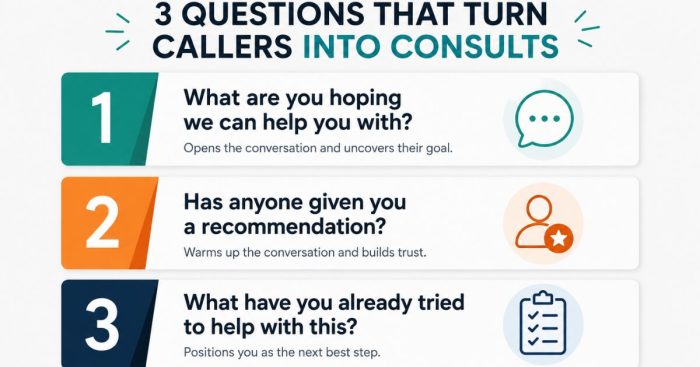
Three questions. Ask them exactly like this, and listen for whether the answer is about you or about them.
“Walk me through where my leads go after they submit a form.”
A trustworthy agency asks to see your CRM before answering.
A vendor changes the subject to their ad results.
“What would you fix before spending a dollar on ads?”
The right answer names specifics: pipeline stages, speed-to-lead, booking flow, and follow-up cadence.
The wrong answer is, “Nothing — your setup looks fine,” from someone who hasn’t even looked.
“Show me a client who stayed more than two years, and tell me why.”
Long retention is the one metric an agency can’t fake.
Growth partnerships last. Lead-rental relationships churn.
I promise — after enough of these conversations, you can tell within ten minutes which kind of agency you’re talking to.
FAQ’s About Trusting a Marketing Agency With Your Clinic
What should a marketing agency fix first at a cash-pay clinic?
The lead-handling system — one pipeline for every lead, a written follow-up process, and a booking flow patients can complete without confusion.
Ads come after.
An agency that wants to launch campaigns before looking at your CRM is renting you leads, not fixing your clinic.
How long should I give a marketing agency to show results?
Expect recovered revenue from lead-system fixes within 30–60 days because those fixes capture demand you already have.
Give new ad campaigns 90 days to prove themselves on cost per booked patient.
If nothing has moved in either lane by day 90, ask hard questions.
What’s the biggest red flag when hiring a medical marketing agency?
An agency that never asks how your leads are handled.
If the sales conversation is entirely about ad creative, audiences, and budget — and never about who calls leads back, how fast, and how patients book — they’re selling activity, not outcomes.
Do I need to fix my CRM before running paid ads?
Yes.
Paid ads multiply whatever system they feed.
If leads are scattered across inboxes and spreadsheets, ads multiply the chaos and you pay for leads that die in the gaps.
Consolidate to one pipeline with a defined follow-up sequence first. Then ad spend compounds instead of leaking.
How do I know if my current agency is actually working?
You should be able to see every lead’s journey in a shared pipeline.
You should know your contact rate and booking rate this week.
You should also hear your agency flag problems before you find them.
If your only visibility is a monthly PDF of impressions and clicks, you don’t have visibility — you have a report.
What’s the next step?
If your leads are going all over the place, your booking is confusing, and you suspect you’re losing patients you already paid to attract — that’s exactly the situation Nick Wingo was in before we got him squared away. It’s fixable, and usually faster than owners expect.
Book a free strategy call. In 60 minutes we’ll map where your leads actually go, where they’re dying, and what to fix first — before you spend another dollar on ads.
If it’s a fit, we’ll build the system with your team.