
What Questions Should a Cash-Pay Medical Practice’s Pre-Follow-Up Intake Form Ask?
The 6-Item Self-Grading Rubric That Drives Service Upsells
Most cash-pay follow-up consults are reactive — the provider asks how things are going, the patient says “good,” the appointment is over in 10 minutes.
The clinics that drive the highest service-revenue-per-patient send a pre-filled intake form 48 hours before every follow-up.
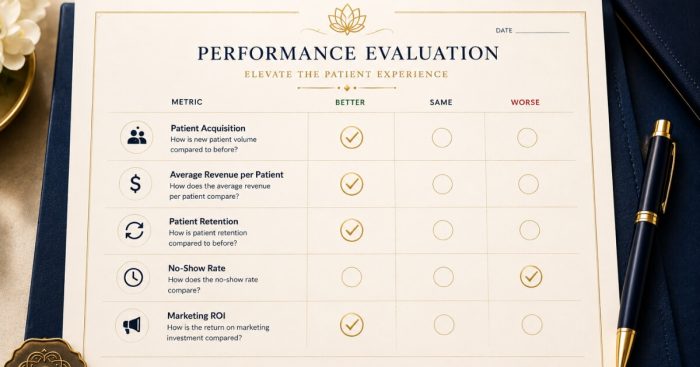
Six questions. Self-graded sleep, nutrition, energy, libido, stress. A checkbox list of every other service the clinic offers.
The patient surfaces their own next problem; the provider walks into the consult holding the agenda.
This is the FAQ on the 6-question rubric, why self-grading drives upsells better than provider pitching, and how to automate the form in the CRM so it runs without anyone thinking about it.
What Should a Cash-Pay Medical Practice Ask in a Pre-Follow-Up Intake Form for Established Patients?
Six questions, sent automatically before every follow-up consult for a regen, functional, or anti-aging patient.
(1) What was your initial goal when you came to our practice?
(2) In what ways have you improved in that area since starting?
(3) What other areas are you looking to make improvement in right now?
(4) Self-grade your sleep, nutrition, energy, libido, and stress management — better than when you started, the same, or worse?
(5) Is there anything you have tried recently that has surprised you, good or bad?
(6) Is there anything else you would like to learn about at our clinic? — followed by a list of every other service the clinic offers (peptides, IV, red light, hormone optimization, regen, supplement protocols, biological-age testing).
The form turns the follow-up consult from a clinical check-in into a structured upsell conversation.
More importantly, it does so by having the patient surface their own next problem rather than the provider pitching one.
Why Does the Self-Grading Question on Sleep, Nutrition, Energy, Libido, and Stress Drive Upsells?
Because patients tell themselves the story of their own progress more compellingly than the provider can.
When a patient writes:
“My sleep is much better than when I started, but my libido is the same and my stress management is actually worse.”
The patient has just told the provider exactly which service to introduce next.
The provider does not have to pitch. Instead, they walk into the consult holding a structured form that the patient pre-filled, with the patient’s own words highlighting the next area to address.
Libido stuck? That is a TRT or HRT conversation the patient asked for.
Stress management worse? That is an adrenal panel or a magnesium-and-glycine protocol the patient just opened the door to.
The pre-filled intake form converts the follow-up consult into a guided upsell where the patient feels in control.
Cash-pay clinics that install this form see follow-up-to-additional-service conversion rates move 15–30 percentage points inside one quarter.
An HRT clinic we grew from $1M to $4M in 4 years ran this exact pre-follow-up form across its 250+ active members to drive cross-sell from hormone to peptides to longevity programs.
What’s the Value of Asking “Is There Anything Else You’d Like to Learn About at Our Clinic?”
It surfaces curiosity the patient was never going to volunteer otherwise.
Most cash-pay clinic patients only know about the service they originally came in for.
They have no idea the practice also offers peptides, IVs, hyperbaric, red light, biological-age testing, or hormone optimization.
List every service in the intake form with a checkbox next to each.
The patient ticks the boxes they are curious about.
The provider walks into the consult knowing which services to introduce, in what order, with the patient having already signaled interest.
The list itself is the upsell — patients consistently check boxes for services they did not know existed at the clinic.
The mistake to avoid is asking the question open-ended (“anything else you want to know about?”); patients leave it blank.
The checkbox list with every service makes the choice easy, and the patient self-selects into the next conversation.
How Does the Pre-Follow-Up Form Change the Provider’s Job During the Consult?
It moves the provider from order-taking to outcome-architecting.
Without the form, the follow-up consult is reactive:
Provider asks how things are going.
Patient says “good.”
Provider runs labs, refills the prescription, schedules the next appointment.
Ten minutes done.
With the form, the provider walks in with the patient’s self-graded data in hand:
“You said your sleep is better but your libido is the same, and you checked the box for hormone optimization. Let’s talk about that.”
The consult becomes a 30-minute working session on the patient’s outcome trajectory, with the next service introduced organically.
Patients perceive this as better clinical care because it is — the provider is now connecting symptoms across systems instead of refilling one prescription at a time.
Better care + structured upsell + better retention.
The form is the leverage point.
A regenerative medicine clinic we worked with hit a 79.4 percent conversion rate from lead to booked appointment and a comparable cross-sell lift on the back end by running pre-visit intake on every follow-up.
How Often Should a Cash-Pay Clinic Send the Pre-Follow-Up Intake Form?
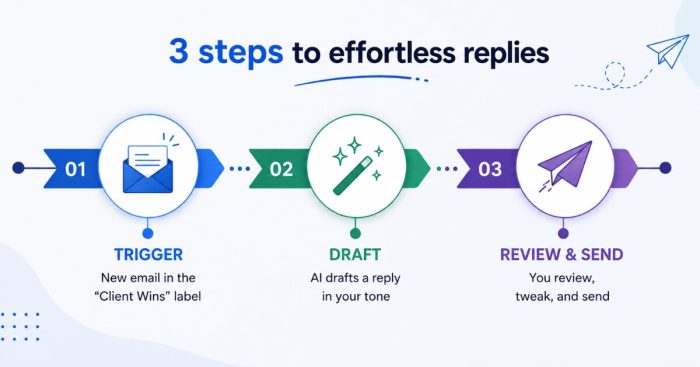
Before every follow-up consult, automated from the CRM 48 hours ahead of the appointment.
Send time matters.
Too early and the patient forgets to fill it out.
Too late and they fill it out in the parking lot.
The CRM rule:
Appointment is booked → automation fires 48 hours before with the form link → SMS reminder 24 hours before if the form is still blank → in-clinic kiosk available the morning of the appointment for patients who never filled it out.
The form takes the patient 4–6 minutes.
The fill rate when automated to 48 hours with a 24-hour SMS reminder consistently runs 75–90 percent.
Patients appreciate that the provider has read their answers before they walk in.
It makes the consult feel personalized and prepared, which is exactly the hospitality signal cash-pay clinics need to send.
What’s the Difference Between This Pre-Follow-Up Form and a Generic Patient Survey?
Generic patient surveys ask satisfaction questions designed to score the clinic.
The pre-follow-up form asks outcome questions designed to surface the patient’s next problem.
Generic surveys ask:
“How would you rate our front desk?”
And the answer goes into a satisfaction report nobody reads.
The pre-follow-up form asks:
“Is your libido better, the same, or worse than when you started?”
And the answer becomes the agenda for the next 30 minutes of clinical care.
The questions are about the patient’s life, not the clinic’s performance.
The data is actionable in the next conversation, not aggregated into a dashboard.
The structure is designed for upsell and retention, not internal QA.
The clinics that send generic surveys get satisfaction scores.
The clinics that send the pre-follow-up form get higher service revenue per patient, longer retention, and patients who feel heard.
What’s the Next Step?
If your cash-pay clinic is not currently sending a pre-follow-up intake form to established patients before every consult, you are leaving 15–30 percent of cross-sell revenue on the table every quarter and the provider is showing up to follow-ups without an agenda.
Book a strategy call.
On the call, we draft the 6-question intake form with your clinic’s specific service checklist, install the 48-hour-before-appointment automation in your CRM (GoHighLevel, Hubspot, whatever), and design the in-clinic kiosk fallback for the morning-of fill.
The form takes 30 minutes to design and another hour to wire into the CRM.
Most cash-pay clinics that install it see follow-up-to-additional-service conversion lift inside the first quarter — and patients write thank-you notes about how thoughtful the consult felt.
Cheapest retention and upsell lever in cash-pay medicine.