
How Does a New Regenerative Medicine Clinic Set Up Its CRM, Website, and Lead Tracking? (The Onboarding Playbook)
A new regenerative medicine clinic almost never has a lead problem first. It has a leak problem. Calls go unreturned, web forms land in an inbox nobody checks, and there’s no way to tell which billboard or radio spot actually produced a patient. Before you spend a dollar on more marketing, you build the plumbing: one CRM that catches every lead, a website built to be found, and tracking that tells you what’s working. Here’s the onboarding playbook we run with regenerative and pain clinics in their first 30 days.
How does a new regenerative medicine clinic set up its CRM so no lead falls through the cracks?
Route every lead source — website forms, inbound calls, social DMs, Google My Business, radio, billboards — into a single CRM like GoHighLevel instead of letting them die in an inbox or an unanswered voicemail.
For a practice with no CRM at all, simply installing one and making sure nobody gets missed typically grows the business 20% to 30% on its own — that’s revenue you already paid to generate and were quietly losing.
The mechanics are simple.
Put a tracking number on every inbound call and swap your Google My Business number to that tracking number first, because GMB is where most local “regenerative medicine near me” callers land.
Change your website form so each submission auto-creates a CRM lead instead of emailing a person who has to remember to add it.
Then add one field that pays for itself: “How did you hear about us?”
Once the lead is in the system, the team can be held accountable to follow up, because the lead is visible and assigned instead of buried.
This is the difference between a clinic that “gets leads” and a clinic that converts them — and it’s the first thing we build, before any new ad spend, because more marketing into a leaky funnel just wastes money faster.
Should a regenerative clinic switch from MindBody, Podium, or its EMR to an all-in-one CRM?
Yes — running two systems is what burns teams out, so consolidate lead handling into one CRM and stop paying twice for tools that half-overlap.
The trap most new clinics fall into is keeping the booking tool, the review tool, the EMR, and a separate email drip all running at once.
The team never knows which screen the truth lives in, and leads slip between them.
The fix is to pick one CRM as the system of record for acquisition, confirm your EMR integrates with it, and forward the clinic phones into the same tracked setup.
You can usually decommission the old nurture tool within about two weeks of going live — just mind any annual contract and notice period before you cancel.
You also don’t need a third-party drip tool if your CRM sends email.
Build custom nurture campaigns per service — a short HRT sequence of four or five emails, a separate regenerative-pain sequence — so a joint-pain lead and a hormone lead each get relevant follow-up instead of one generic blast.
For deeper context on building this layer, see our breakdown of a predictable patient acquisition system.
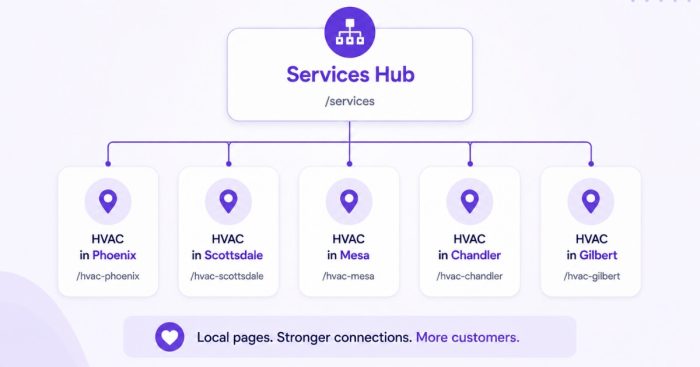
How should a regenerative medicine clinic structure its website to rank locally?
Build a dedicated city-keyword page for each service — “[service] in [city]” — because targeting one main city plus surrounding-city content compounds your SEO far faster than a single generic services page.
Think:
- “Osteoarthritis Treatment in [Your City] and Surrounding Areas”
- “Hormone Replacement Therapy for Men in [Your City]“
with a unique page for each service-and-place combination you want to own.
If your providers are licensed to deliver telehealth across a state, add statewide pages for every licensed state.
This directory structure is what lets a brand-new domain start showing up for the searches that actually convert.
Keep the rest simple.
Lead the homepage with video, hold navigation to two clean dropdowns — “Conditions You Treat” and “Services” — and remember the brutal truth about a clinic website: traffic matters more than anything else.
A beautiful site nobody visits is a business card sitting in a drawer.
We covered the same pattern in detail in our guide to stem cell clinic marketing, where local-page SEO is the quiet engine behind clinics that grow without paid ads — exactly how Orthobiologics Associates generated $309,590 in cash-pay revenue in 10 months from SEO alone, converting 79.4% of leads to booked appointments with zero ad spend.
How do you track which marketing campaigns are actually working at a regenerative clinic?
Put a “How did you hear about us?” field on your form and a unique tracking number on every offline source — radio, billboards, GMB — so each lead is attributed and you can follow it all the way through to a booked appointment.
Without that, you’re guessing, and guessing is how clinics keep funding the campaign that feels good instead of the one that books patients.
With it, you can say something measurable — for example, that a $3,000 local sponsorship produced 15 new patients at a $400 acquisition cost — and then make a confident decision to scale it or kill it.
Attribution turns marketing from a cost you tolerate into a lever you control.
The discipline is the same whether you spend on one channel or six:
- every lead gets a source
- every source gets a number
- every number rolls up into a report you actually read
How should a regenerative clinic market stem cell therapy without violating advertising rules?
Frame it as “stem cell banking” using the word “autologous” — meaning a patient’s own cells returned to that same patient — rather than advertising “stem cells” as a stand-alone treatment that cures a condition.
Patients are already searching your clinic’s name alongside “stem cells” before you advertise anything, so a carefully worded banking and regenerative page captures demand that exists whether or not you run ads.
Position the content around longevity, banking your own cells for a future injury, and the science of the procedure — not disease-cure claims.
This keeps you on the right side of platform and advertising policy while still ranking for the terms your future patients type.
The same caution applies to paid channels: PRP, exosome, and stem-cell keywords get disapproved fast on Google and flagged on Meta, which is exactly why the durable regenerative clinics lean on owned content and local SEO as the always-on layer.
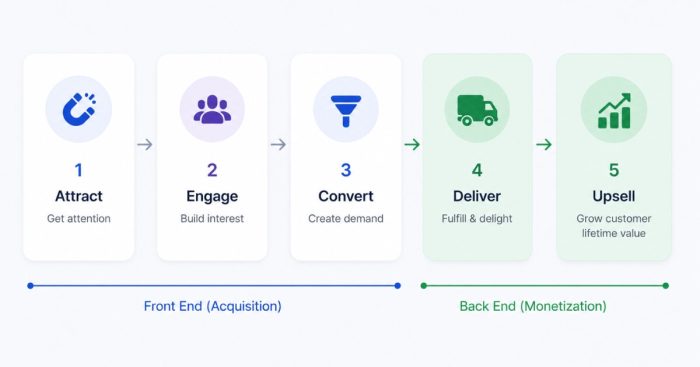
What’s the most profitable part of a regenerative clinic’s funnel — and what do most agencies ignore?
The back end — delivering great results, reselling and upselling existing patients, and turning testimonials and Google reviews into referrals — is where the most money is, and it’s the part most agencies and consultants completely ignore.
Most marketing only chases the front of the funnel:
- prospect
- booked appointment
- consult attended
- new patient
That matters, but there are only three ways to grow any clinic:
- get new customers
- resell existing ones
- raise prices
The back two are cheaper and more durable than the first.
Build follow-up into the patient journey: a three-month repeat visit, a discounted second PRP, a structured ask for a Google review after a great outcome.
Back-end revenue also smooths the monthly swings that make hiring feel risky, which is what lets you scale with confidence.
We watched this play out with a regenerative clinic owner who told us about an older patient who came back days after a single in-office regenerative treatment as a complete raving fan — so happy he agreed on the spot to record a video testimonial.
That’s the back end of the funnel working:
- great delivery creates word of mouth
- word of mouth creates referrals
- referrals are the cheapest patients you will ever acquire
Pain and regenerative practices that get this right, like Elite Pain Doctors, where we added $2,095,039 in revenue in 10 months, win on delivery and follow-up as much as on lead gen.
FAQ’s About Setting Up a New Regenerative Clinic’s CRM and Website
What CRM should a new regenerative medicine clinic use?
Use a single all-in-one platform such as GoHighLevel that captures website forms, inbound calls, social messages, and Google My Business leads in one place, integrates with your EMR, and can send your email nurture so you don’t pay for a separate drip tool.
The specific brand matters less than the rule: one system of record for acquisition, with every lead source routed into it.
How much can a CRM actually grow a new clinic?
For a practice that currently has no CRM, simply installing one and ensuring no lead gets missed typically grows the business 20% to 30% — because that revenue was already generated and quietly lost to unreturned calls and ignored forms.
It’s the highest-ROI fix available before you spend another dollar on ads.
How do I get my regenerative clinic to rank on Google in a new city?
Build dedicated “[service] in [city]” pages for each service and surrounding town, plus statewide telehealth pages for every state your providers are licensed in.
This directory structure compounds far faster than a single generic services page and is how new domains start ranking for searches that actually book patients.
Can I advertise stem cell therapy for my clinic?
Advertise “stem cell banking” and use “autologous” language — a patient’s own cells returned to them — rather than promoting stem cells as a stand-alone cure, which gets disapproved on Google and flagged on Meta.
Lean on owned content and local SEO, since patients already search your clinic name alongside these terms.
What’s the first thing a new regenerative clinic should fix before spending on marketing?
Fix the funnel leak first:
- get one CRM live
- put a tracking number on every call
- route the website form into the CRM
- add a “How did you hear about us?” field
Spending more on marketing while leads fall through the cracks just wastes money faster.
What’s the next step?
If you’re opening or relaunching a regenerative medicine clinic and you can feel that leads are slipping through the cracks — calls nobody returned, forms nobody saw, no idea which channel is working — the fix is plumbing before promotion.
One CRM, tracking numbers on every source, a website built on city-keyword pages, and follow-up engineered into the patient journey.
That’s the foundation every clinic on our roster started with.
If you want someone to map your lead sources, your website structure, and your follow-up system together — and tell you exactly where your funnel is leaking — that’s the conversation to book.
We’ll pull your acquisition map on the call.
This is the same groundwork behind durable, ad-optional growth in stem cell clinic marketing.