
What Should a Pain or Regenerative Clinic Say on a Discovery Call to Book Consults Without Sounding Salesy?
Pain and regenerative patients have usually been let down before — by other doctors, by failed treatments, by being rushed. So a discovery call that sounds like a sales pitch makes them hang up, while one that sounds like genuine help books the consult. The difference is a consultative script: warm tone, real discovery questions, and a simple qualifier that gets the patient to name their own reason for committing. Here’s the FAQ on exactly what to say, drawn from the discovery-call script we built for a pain clinic.
What should a pain or regenerative clinic say on a discovery call to book consults?
Capture the patient’s contact info, ask permission to run a few clarifying questions, work through real discovery, and then use a simple “which of these sounds most like you?” qualifier before offering the consultation as the logical next step.
The booking comes from the patient talking themselves into it — not from you pitching.
The consultative discovery call flips the usual dynamic.
Instead of leading with the offer, the clinic leads with curiosity.
It asks about:
- The patient’s pain
- What they’ve tried
- What’s worked
- What hasn’t worked
- What they’re hoping to accomplish
Only after the patient has described their situation — and named which of three common reasons brought them to the call — does the consultation get offered.
By then it feels like the obvious next step rather than a sale.
This consultative approach is what turns leads into booked, high-intent patients and is at the heart of effective pain management marketing.
What’s the difference between inbound and outbound for a pain clinic discovery call?
Only the opening line.
An inbound caller is greeted and asked how you can help.
An outbound call confirms they requested an appointment online.
After the intro, both run the identical discovery and qualifying flow.
Just like every other vertical, you don’t need two separate playbooks.
Inbound Call Opening
“Hello, this is ___ with [Clinic], how may I help you today?”
Outbound Call Opening
“Hi, is this ___? This is ___ with [Clinic] — I understand you requested an appointment on our website, is that right?”
From there, both paths merge:
- Capture the name
- Ask for the phone number
- Ask for the email
- Get permission to run discovery
Treating it as one script with two intros keeps the whole thing simple to train and consistent to run.
Why do tone and tempo matter so much on a pain discovery call?
Because your voice either disarms the patient or keeps their guard up, and rushing them signals you don’t care.
Pain patients are wary, so warmth and an unhurried pace are part of the script, not extras.
The script literally opens with a reminder about tone and tempo, and that’s not fluff.
Tone
Your inflection and warmth either:
- Lower the patient’s defenses
- Raise them
Tempo
Your pace and energy tells the patient whether:
- You’re present with them
- You’re trying to get them off the phone
A pain patient who’s been dismissed by providers before is hypersensitive to both.
Speak too fast and they’ll rush you off the call.
Sound scripted and they’ll disengage.
The most important “technique” on a pain discovery call is simply sounding like a calm, caring human who has time for them.
Everything else works better once that’s established.
What discovery questions should I ask a pain patient?
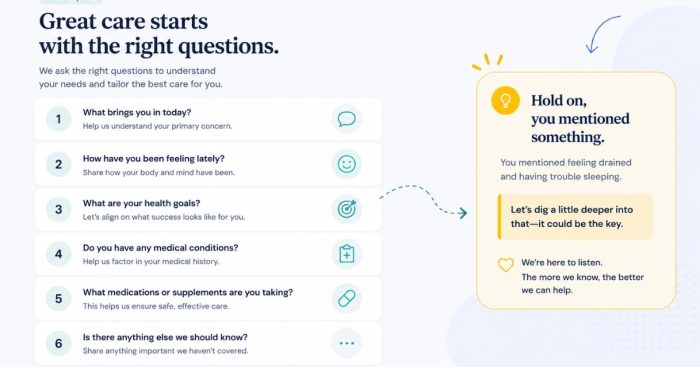
Ask how they heard about you, what they’re trying to accomplish, how long they’ve been in pain, what they’ve tried, and what has and hasn’t worked — and when something important surfaces, slow down and dig into it.
The discovery sequence is straightforward but powerful:
- “How did you hear about us — were you referred or did you find us online?”
- “What were you hoping to accomplish by scheduling a consultation?”
- “How long have you been struggling with the joint pain / knee pain / back pain?”
- “What have you tried to fix it?”
- “What’s worked for you in the past, and what hasn’t?”
Patients often ramble here — and that’s good.
The gold is in the ramble.
When they mention something important, interrupt gently:
“Hold on a second, you mentioned something there I want to ask you about…”
That single line makes the patient feel deeply listened to and pulls out the detail that becomes the reason they book.
This kind of disciplined discovery is what powers a clinic like a pain and regenerative practice we added $2,095,039 in revenue to in just 10 months.
What is the “3 reasons people book” qualifier, and why does it work?
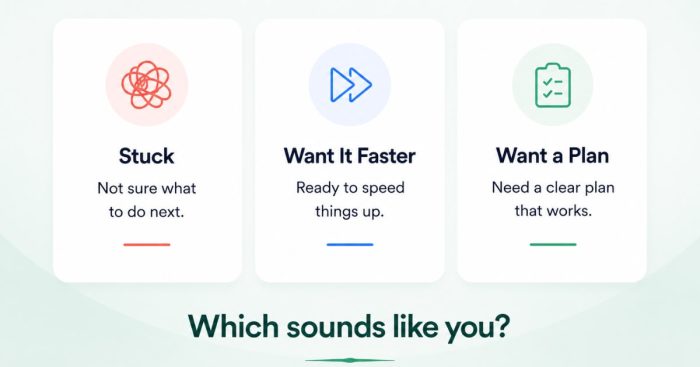
It’s a simple multiple choice you read to the patient.
Most people book for one of three reasons:
- They’re stuck and don’t know what to do
- They want to get to their goal faster
- They want a personalized plan instead of wasting time and money figuring it out alone
Asking “which sounds most like you?” makes the patient name their own motivation.
After discovery, the script offers the patient a frame:
“Typically we find folks hop on a call with us for a few different reasons — you’ve tried everything you know and you’re stuck, you just want to get there faster, or you’re looking to follow a personalized plan instead of wasting time and money figuring it out on your own. Which sounds most like you? And what makes you say that?”
This is the hinge of the whole call.
When the patient picks one and explains why, they articulate:
- Their own pain
- Their own reason for needing help
Out loud.
In their own words.
People are persuaded far more by their own reasons than by yours.
Once a patient admits they’re stuck and lack direction, the consultation becomes the obvious solution to a problem they just described themselves.
How do I book the consult without sounding salesy?
Position the consultation as the logical next step to the problem the patient just named — not as a product.
Once they’ve admitted they’re stuck or want a plan, the close is simply offering them the thing that solves that.
The close writes itself when the discovery is done right.
After the patient names their reason, the script says:
“Well, maybe we can help — we’ve helped tons of patients through the exact same issues you’re dealing with right now. The most important thing we can do to get you on the right track toward your goal is to see if we can get you in for a consultation with one of our experts.”
There’s no pressure because you’re not selling a treatment.
You’re offering the next step to a goal the patient stated.
When they ask:
“How much does it cost?”
You move to scheduling and collect the information needed to book.
The consult feels like help, because it is.
This is the same conversion discipline behind a regenerative medicine clinic we generated $309,590 in cash-pay revenue for in 10 months at a 79.4% lead-
to-appointment conversion rate.
FAQ’s About the Pain Clinic Discovery Call
What should a pain clinic say first on a discovery call?
Greet the caller (or confirm they requested an appointment), capture their name, phone, and email, and ask permission to run a few clarifying questions.
Lead with curiosity and contact capture, not the offer.
Why does tone matter on a pain discovery call?
Because pain patients have often been dismissed before, so your tone and pace either disarm them or put them on guard.
A calm, warm, unhurried voice is part of the script, not an extra — rushing signals you don’t care.
What discovery questions convert pain patients?
Ask:
- How they heard about you
- What they want to accomplish
- How long they’ve been in pain
- What they’ve tried
- What has and hasn’t worked
When something important surfaces, slow down with:
“Hold on, you mentioned something I want to ask about”
to make them feel heard.
What is the “3 reasons people book” qualifier?
A multiple choice you read to the patient:
- They’re stuck and don’t know what to do
- They want results faster
- They want a personalized plan instead of figuring it out alone
Asking:
“Which sounds most like you?”
gets the patient to name their own motivation, which is far more persuasive than your pitch.
How do I offer the consultation without sounding salesy?
Frame the consult as the logical next step to the problem the patient just described, not as a product.
After they’ve named their reason for needing help, simply offer the consultation as the way to solve it, then move to scheduling.
What’s the next step?
If your pain or regenerative clinic’s discovery calls sound like sales pitches, you’re losing wary patients who would have booked with a more consultative approach.
A script built on warm tone, real discovery, and the 3-reasons qualifier gets patients to talk themselves into the consult — and books far more of them.
If you want the full consultative discovery script built and trained for your team and specialty, that’s the conversation to book.
We’ll review your current call flow and show you exactly where consults are slipping away.