
When Do Paid Ads Actually Work for a Cash-Pay Medical Practice? (The $5M Breakdown)
INTRO:
We’ve already written about why most cash-pay clinics shouldn’t run paid ads — because in most cases the math doesn’t work and the funnel can’t hold the volume. But last year we added $5 million in aggregate revenue across three clinics by running paid ads. Both things are true. The difference is the four conditions that have to be in place before a dollar of ad spend produces a return. This is the FAQ on what those conditions are and how to test them.
——————————————————————————
When do paid ads actually work for a cash-pay medical practice?
When four things are true at the same time: the offer resonates with the highest-LTV patient avatar, the funnel is built end-to-end (top-of-funnel targeting plus mid-funnel retargeting plus follow-up), the front desk has a written SOP for handling inbound paid-ad leads, and the clinic has the clinical capacity to absorb the volume.
When all four conditions hold, the math is extraordinary. Across three cash-pay clinics we ran ads inside last year, we added $5 million in aggregate revenue — split across an 11-location specialty clinic in Arizona and Ohio, a clinic in Charlotte that needed a full funnel rebuild, and a third paid-ads-driven engagement. Both of the named clinics ended up booking 20+ qualified appointments a week and were booked out two months on the strength of paid ads alone.
When any one of those four conditions is missing, paid ads quietly bleed money. The Charlotte clinic was spending the same ad budget for months and going backward, because the funnel had no mid-funnel retargeting and no front-desk follow-up SOP — leads came in, sat in the inbox, and never got called. The 11-location clinic was actually profitable on revenue but losing money on margin, because the offer was targeted at the wrong patient avatar — the patients who responded had low retention and low average revenue, so each new patient cost more to serve than they paid back.
How do I find the highest-LTV patient avatar for paid ads at a cash-pay clinic?
Pull twelve months of patient revenue data and sort it three ways: average revenue per patient, retention (months active), and conversion rate from first visit. The patient avatar that scores highest across all three is the one to target with ads.
The 11-location specialty clinic we worked with was running paid ads against their broadest possible patient base — anyone with the qualifying symptom. The ads worked at the top of the funnel (cheap clicks, lots of leads), but the back-end margin was negative because half the leads were patients who would only ever pay for one visit. When we ran the numbers and re-segmented the targeting against the highest-LTV avatar — patients who clinically fit a longer protocol, who had insurance situations that ruled out other clinics, who tended to refer family members — the ad spend could triple overnight and still produce a positive ROI. Same ad creative. Same ad platform. Different audience. Different business.
The four data points to score every patient segment on: (1) average revenue per patient over 12 months, (2) retention beyond month three, (3) conversion rate from first visit to ongoing care, and (4) referral rate. The avatar that scores highest across all four is the one paid ads should be targeting. Everything else is volume for its own sake — and volume that doesn’t compound is just expensive marketing.

What does a paid-ads funnel for a cash-pay clinic actually look like end-to-end?
Top-of-funnel ad set targeting the highest-LTV avatar on Facebook/Instagram (or Google for high-intent search), a mid-funnel retargeting layer that re-engages people who clicked but didn’t book, a proven offer structure on the landing page, and a written front-desk SOP for responding to inbound leads inside 15 minutes.
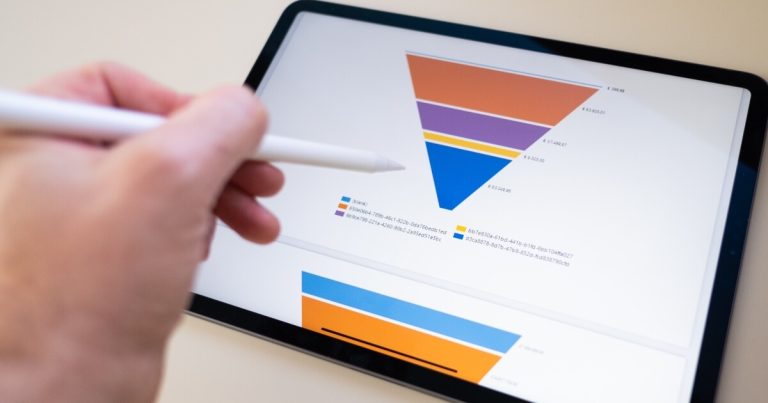
For the Charlotte clinic, we rebuilt the funnel from the ground up. Top-of-funnel: precise Facebook interest stacks targeting the patient avatar’s specific interests and behaviors, not generic demographic buckets. Mid-funnel: retargeting ads served to anyone who hit the landing page but didn’t book, plus retargeting against email subscribers who hadn’t yet booked a consult. Offer: a proven offer structure (priced consult or qualifying lab) rather than “book a free consultation,” which under-converts because there’s no commitment from the patient and no signal to the team that the lead is real. Follow-up: a written SOP for the front desk — every lead called within 15 minutes, every lead followed up at 24 hours, 48 hours, and 7 days if they didn’t book.
The funnel rebuild took roughly 60 days to install and another 30 to fully optimize. After 90 days, the clinic was booking 20+ qualified appointments per week and was booked out two months. The clinic’s ad spend didn’t change. The funnel did. “An orthopedic surgical center we work with added $2M in revenue from Facebook ads using the same funnel structure — proven offer, audience targeting against the highest-LTV avatar, mid-funnel retargeting, written follow-up cadence at the front desk.
——————————————————————————
Why do most cash-pay clinic paid-ad campaigns lose money?
Three reasons, in order of frequency. The offer doesn’t match the avatar. The funnel has no mid-funnel layer. The front desk can’t keep up with inbound leads.
**The offer doesn’t match the avatar.** A clinic running a generic “book a free consultation” ad to a broad audience gets cheap leads, low conversion, low LTV, and a negative ROI on ad spend. The offer needs to speak to the specific outcome the highest-LTV patient is looking for — and it needs a commitment step (a small paid consult, a qualifying lab) that filters out unqualified leads before they hit the calendar.
**The funnel has no mid-funnel layer.** Most paid-ad campaigns at cash-pay clinics are just “ad → landing page → form fill → done.” Anyone who didn’t book on the first touch is gone forever. A real funnel re-engages those people: retargeting ads on Facebook and Instagram for 14 to 30 days, an email sequence for anyone who entered an email, a Google retargeting layer for people who hit the site organically.
**The front desk can’t keep up.** The clinic that runs ads and routes inbound leads to a receptionist who’s also taking walk-ins and handling supplements and answering billing questions is going to lose 30 to 50% of paid-ad leads to slow follow-up. Lead response speed is a paid-ad performance variable, not a customer-service variable. Sub-15-minute first contact is the threshold below which conversion holds; above it, leads cool off fast and never come back.
How much should a cash-pay clinic spend on paid ads to test whether the math works?
Enough to generate 30 to 50 qualified leads in 30 days at your current cost per lead — typically $3,000 to $10,000 — and no more until those leads have completed the full conversion cycle.
Most clinics fail at the testing stage by spending too little or too much. Knowing when paid ads actually work starts with identifying whether the offer, funnel, or follow-up process is breaking the economics of the campaign. Too little ($500 to $1,000) doesn’t produce enough conversion data to know whether the funnel works; the campaign either has too few leads to draw conclusions from, or the inevitable bad week kills the campaign before the good week arrives. Too much ($20,000+) right out of the gate scales an unproven funnel — which means if the offer or the front-desk SOP isn’t working, the clinic burns $20,000 to learn what $5,000 would have surfaced.
The testing protocol: 30 days, $3,000 to $10,000 in spend, the same offer running the whole time, and the front-desk follow-up SOP enforced. At the end of 30 days, count leads, count booked appointments, count paid conversions, count revenue. Calculate cost per acquired customer and payback period. If payback is under 60 days and lifetime value exceeds 5× customer acquisition cost, double the budget. If not, fix the offer or the front-desk SOP first — not the ad creative.
——————————————————————————
Should paid ads ever come before SEO for a cash-pay clinic?
Yes, when the clinic has clinical capacity to fill and a tight enough offer-funnel to make the math work in 90 days. SEO compounds, but it doesn’t fill empty appointment slots next week.
Paid ads buy speed at the cost of margin. SEO costs margin upfront (content, technical work, link-building) but compounds for years. The right sequencing for most clinics: install the funnel basics and the front-desk SOP first, run paid ads to fill the schedule for 6 to 12 months while SEO is being built in the background, and gradually shift the budget mix as SEO traffic ramps. “A medspa that added $6.7M in revenue in a single year did so on the back of a multi-channel paid-ad engine — but only because the offer, funnel, and front-desk SOP were tight enough to absorb the volume at scale; the same engine on a leaky front desk would have burned the budget“.
The clinics that get paid ads wrong are the ones that try to use ads as a substitute for fixing the offer or the funnel. Ads make a working machine bigger. Ads make a broken machine louder. The diagnostic is simple: if the clinic isn’t already converting organic leads at 25%+, paid ads will not save the clinic.
——————————————————————————
What’s the next step?
If you’re a cash-pay medical practice owner and you’re either (a) considering paid ads but unsure whether the math will work, or (b) running paid ads and watching the budget disappear with no measurable revenue impact — book a strategy call. In 60 minutes we’ll audit your offer, your highest-LTV avatar, your funnel, and your front-desk SOP, and tell you whether paid ads are the next lever to pull or whether something else needs to come first. If it’s a fit, we’ll fly to your clinic and rebuild the engine with your team over 90 days.